

Aging does not mean surrendering strength, mobility, or confidence. We believe that the human body is designed to move well at every stage of life, provided it is guided with intelligent, controlled, and consistent movement. After the age of 60, the focus shifts from pushing limits to preserving function, supporting joints, and maintaining independence.
Pilates-based exercises are especially valuable because they emphasize control over force, quality over quantity, and alignment over speed. The following five exercises require no equipment, can be done at home, and are carefully chosen to support muscle strength, balance, posture, and joint health. Practiced regularly, they help the body remain capable, resilient, and stable.
Why Bodyweight Pilates Movements Matter After 60
We prioritize exercises that work with the body, not against it. After 60, muscle mass naturally declines, joints may feel stiffer, and balance can become less reliable. Thoughtfully designed movements counter these changes by:
- Supporting functional strength for daily tasks
- Improving joint range of motion without strain
- Enhancing core stability to protect the spine
- Encouraging body awareness and balance
- Reducing the risk of falls and injuries
These exercises are low-impact, joint-friendly, and adaptable to different ability levels, making them ideal for long-term consistency.
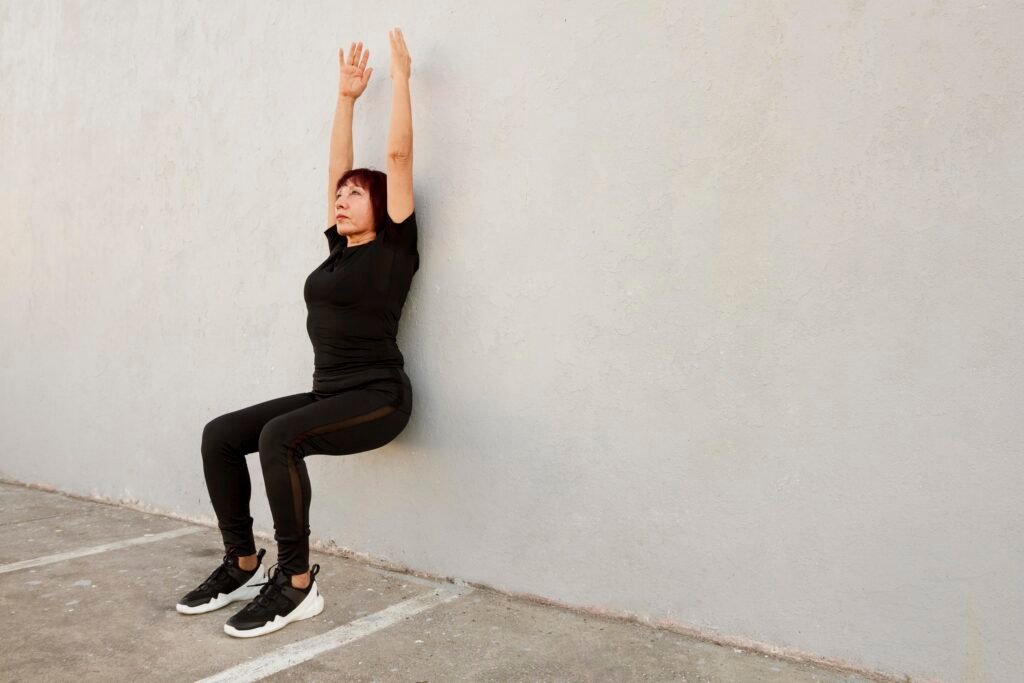
1. Wall Squat – Building Lower-Body Strength Safely
Target Areas
Quadriceps, glutes, hamstrings, core
The wall squat is one of the most effective ways to strengthen the lower body without stressing the knees or lower back. It mimics everyday movements such as sitting and standing, which makes it highly functional.
How We Perform It
- Stand with your back against a wall
- Place feet hip-width apart and slightly forward
- Slowly slide down until knees are comfortably bent
- Keep the spine long and shoulders relaxed
- Hold for 10–30 seconds, then slide back up
Why It Works
This exercise develops leg strength while keeping the body supported. The wall provides stability, allowing controlled muscle engagement without momentum.
Benefits After 60
- Improves chair-rise ability
- Strengthens legs without joint overload
- Enhances postural alignment
- Builds confidence in lower-body movement
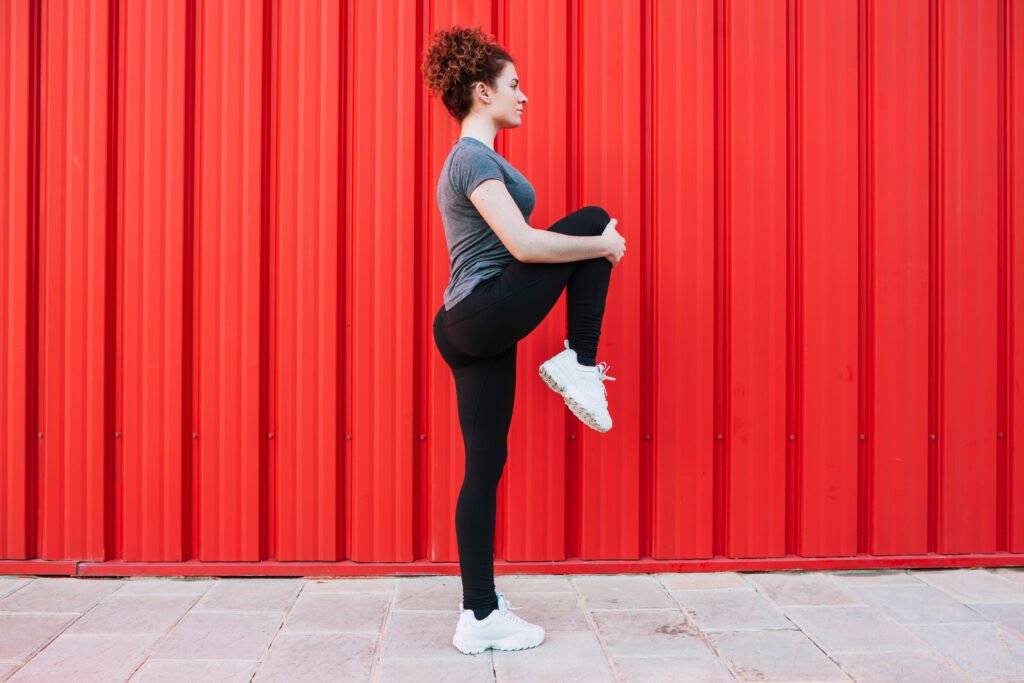
2. Standing Leg Lifts – Strengthening Balance and Hips
Target Areas
Hip flexors, glutes, stabilizing muscles
Strong hips are essential for walking, climbing stairs, and preventing falls. Standing leg lifts train the muscles responsible for stability while challenging balance in a controlled way.
How We Perform It
- Stand tall, holding a chair or wall for support
- Lift one leg slowly to the side or back
- Keep the torso upright and core engaged
- Lower with control and repeat
- Switch sides
Why It Works
Slow, deliberate lifting strengthens the hips while activating the deep stabilizing muscles that protect the pelvis and spine.
Benefits After 60
- Improves balance and coordination
- Supports hip joint health
- Enhances walking stability
- Reduces fall risk
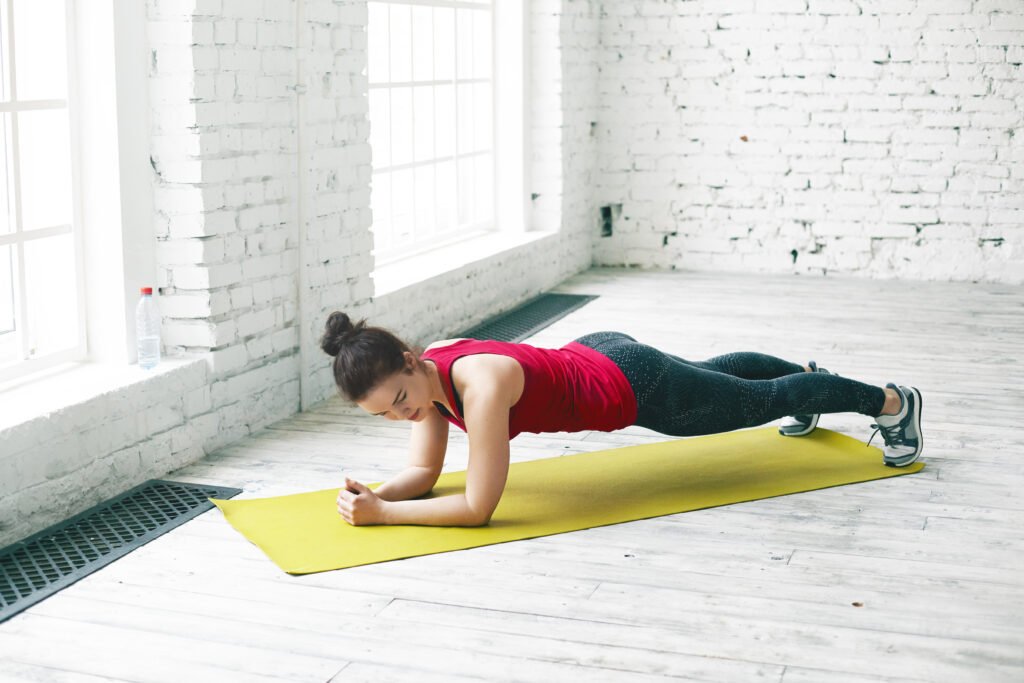
3. Modified Plank – Core Strength Without Strain
Target Areas
Core, shoulders, arms, back
Core strength is not about appearance; it is about supporting the spine and enabling safe movement. The modified plank provides all the benefits of core training without unnecessary pressure.
How We Perform It
- Place hands on a wall or sturdy surface
- Step feet back slightly
- Maintain a straight line from head to heels
- Engage the abdominal muscles
- Hold for 15–40 seconds
Why It Works
This version reduces wrist and shoulder strain while still activating the deep core muscles essential for posture and stability.
Benefits After 60
- Supports spinal alignment
- Reduces lower-back discomfort
- Improves upper-body strength
- Enhances overall body control
4. Seated Spine Twist – Restoring Mobility and Posture
Target Areas
Spine, obliques, upper back
Spinal rotation often decreases with age, leading to stiffness and reduced mobility. The seated spine twist restores gentle rotation while promoting upright posture.
How We Perform It
- Sit tall on a chair
- Place hands across the chest
- Inhale to lengthen the spine
- Exhale and rotate gently to one side
- Return to center and switch sides
Why It Works
This controlled twist lubricates spinal joints and strengthens the muscles that support rotational movement.
Benefits After 60
- Maintains spinal flexibility
- Improves posture and breathing
- Eases upper-back stiffness
- Supports everyday turning movements
5. Heel-to-Toe Walk – Mastering Balance and Coordination
Target Areas
Ankles, feet, core, balance system
Balance training is essential for staying independent. The heel-to-toe walk strengthens the feet and ankles while improving coordination.
How We Perform It
- Stand tall near a wall for safety
- Step forward, placing heel directly in front of the other foot’s toes
- Walk slowly in a straight line
- Focus on controlled movement
Why It Works
This exercise retrains the body’s balance system by challenging stability in a safe, controlled manner.
Benefits After 60
- Strengthens ankles and feet
- Improves walking confidence
- Enhances body awareness
- Reduces fall risk
How We Recommend Structuring a Weekly Routine
Consistency matters more than intensity. We recommend performing these exercises three to five times per week, allowing the body time to adapt and strengthen gradually.
A balanced session may include:
- Light warm-up movements
- 1–2 sets of each exercise
- Slow, controlled breathing
- Gentle stretching at the end
This approach supports long-term sustainability and helps build a habit of daily movement.
The Long-Term Impact of Consistent Practice
When practiced regularly, these exercises help maintain:
- Muscle strength
- Joint mobility
- Postural alignment
- Confidence in movement
We view strength after 60 not as a goal, but as a foundation for independence. These movements are not about pushing limits; they are about preserving the body’s ability to support everyday life with ease and dignity.
Conclusion: Strength Is a Skill That Can Be Maintained
We recognize that aging brings change, but we also know that movement is medicine when applied with care and intelligence. These five no-equipment exercises provide a practical, accessible way to stay strong, stable, and confident after 60. By focusing on control, alignment, and consistency, we support the body’s natural ability to remain resilient at every stage of life.
READ ALSO: 8 Smart WhatsApp Settings to Secure Your Account and Chats