

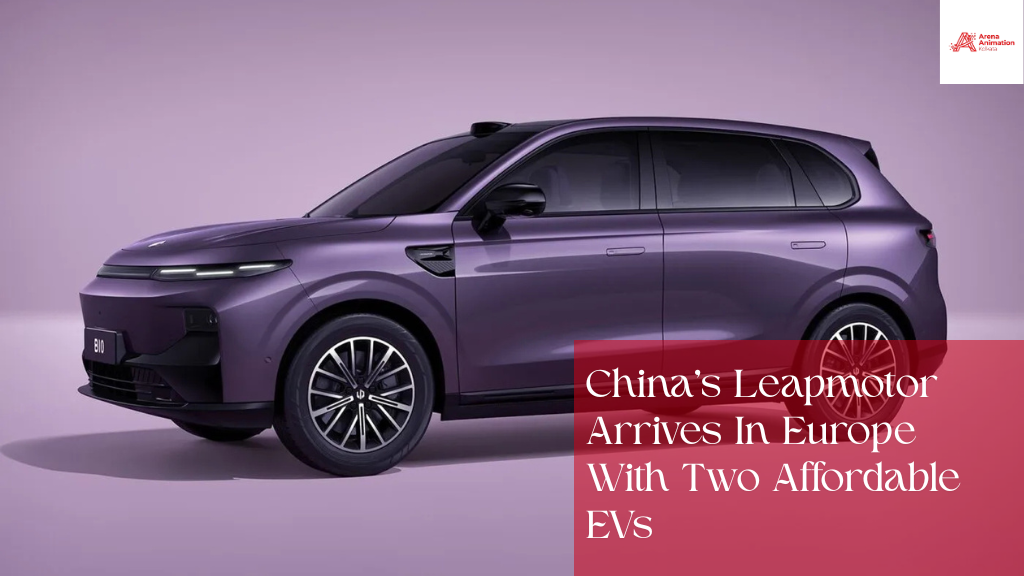
Electric vehicles (EVs) are transforming the global automobile market. More people are choosing EVs because they are clean, cost-effective, and fun to drive. For many years, India’s EV market has been growing steadily, with both local and international companies introducing new electric cars. In 2026, a new player entered this space — China’s Leapmotor, a brand that aims to bring modern, affordable, and practical EVs to Indian roads. The company arrived with two affordable electric vehicles, capturing the interest of buyers who want smart technology without high prices.
This article explores everything you need to know about Leapmotor’s entry into India, the two EVs they brought, how they could impact the Indian market, and what this means for future electric mobility in the country.
1. Why Leapmotor’s Entry into India Matters
Electric vehicles are no longer just futuristic. They are becoming mainstream as governments and consumers push for cleaner transportation. India, with its large population and rising fuel costs, is a key market for EV growth. The demand for affordable, reliable electric cars is growing stronger each year.
Leapmotor’s arrival is important for several reasons:
- Increased competition in the EV market
- More affordable electric car options for Indian buyers
- Encouragement for local manufacturers to innovate and improve
- A boost to India’s goal of reducing pollution and fossil fuel dependence
By entering the Indian market with two budget-friendly EVs, Leapmotor challenges existing players and gives customers new choices — especially those who might be hesitant to switch to electric because of high prices.
2. Who Is Leapmotor? A Quick Introduction
Leapmotor is an electric vehicle maker from China — a country that has become a world leader in EV production. While many global brands focus on premium electric cars, Leapmotor has built its reputation around affordable EVs that offer value, good performance, and modern features.
China’s EV market is one of the most competitive and largest in the world, meaning companies like Leapmotor have learned how to produce high-quality vehicles at lower prices. Their success in China positions them well to enter markets like India, where buyers are price-sensitive but still want good quality.
Leapmotor’s arrival signals that India’s EV market is now considered important enough for global brands to invest in long-term growth.
3. The Two Affordable EVs Launched in India
Leapmotor entered the Indian market with two electric vehicles aimed at everyday drivers and families. Instead of targeting luxury buyers, they focused on practical, affordable cars suited for Indian roads and lifestyles.
While details vary by model, here’s a general look at what these EVs represent:
a. Model One: The Urban Commuter EV
The first EV is designed for city driving, daily errands, and short-distance use. This model is perfect for:
- Office commuters
- Small families
- Students and young professionals
It might offer features such as:
- Compact size for easy parking and maneuvering
- Smooth and efficient electric motor
- Battery range suitable for daily city use (e.g., 200–300 km per charge)
- Comfortable seating for four or five people
- Basic infotainment and connectivity features
This EV targets buyers who prioritize efficiency, low running cost, and simplicity.
b. Model Two: The All-Rounder Family EV
The second EV is likely aimed at slightly larger needs — for those who want more space, longer range, and more features while still keeping costs low.
This model might include:
- A roomier cabin for families
- Larger battery for extended range
- Enhanced infotainment system
- Better safety features
- More powerful motor for highway travel
This vehicle appeals to drivers who want an electric car that can handle both city traffic and occasional longer trips.
Together, these two EVs cover a broad range of buyers — from daily commuters to families seeking an affordable electric alternative to traditional petrol or diesel cars.
4. What Makes Leapmotor’s EVs Attractive to Indian Buyers?
There are several reasons why Indian buyers may find Leapmotor’s EVs appealing:
A. Affordable Price
Price is one of the most important factors for Indian car buyers. While some electric cars are expensive, Leapmotor appears focused on pricing its vehicles within reach for most buyers — making the switch to electric more realistic.
An affordable EV means:
- Lower initial investment
- More accessible loan and financing options
- More buyers can enter the EV market
B. Low Running Costs
Electric cars cost less to run than petrol or diesel vehicles. Electricity is usually cheaper than fuel, and EVs have fewer moving parts, meaning:
- Lower maintenance costs
- Fewer service visits
- No fuel costs
For many families, lowering the monthly cost of transportation is a big advantage.
C. Modern Technology
Leapmotor’s EVs come equipped with modern features such as:
- Touchscreen displays
- Smartphone integration
- Safety sensors
- Connected car technology
Even at affordable prices, buyers can enjoy a tech-rich experience.
D. Smooth and Silent Driving
Electric vehicles are known for their:
- Quiet motors
- Instant acceleration
- Smooth driving experience
This makes daily driving more enjoyable — especially in city traffic.
E. Environmental Benefits
Many Indian cities struggle with pollution. EVs produce zero tailpipe emissions, helping to reduce air pollution and improve public health.
Choosing an EV can make a real environmental impact — especially as more people switch from petrol and diesel cars.
5. How These EVs Fit Indian Roads and Lifestyles
Leapmotor entered India with vehicles that don’t just meet basic expectations — they aim to fit Indian lifestyles. Here’s how:
a. Designed for Traffic Conditions
Indian city roads can be crowded, with slow-moving traffic, narrow lanes, and frequent stops. EVs with efficient motors and regenerative braking are well-suited for such conditions.
Regenerative braking recovers energy while slowing down, improving overall efficiency — perfect for stop-and-go traffic.
b. Daily Running Distances
Most Indian drivers travel short to moderate distances daily — ideal for the range offered by affordable EVs.
If a vehicle can travel 200–300 km on a single charge, most drivers won’t need to charge every day — saving time and effort.
c. Climate and Comfort
India’s climate can be hot, especially in summer months. Leapmotor’s vehicles include modern climate control systems to keep passengers comfortable in any weather.
This makes the cars practical for year-round use.
d. Seating and Space
Families and groups travel together often in India — whether for school, work, or family visits. Offering enough space for passengers and cargo helps make these EVs more useful in daily life.
6. Charging Infrastructure in India
One of the challenges for EV adoption in India has been charging infrastructure. People need convenient places to charge their cars — whether at home, work, or public stations.
Here’s how the charging situation is growing:
a. Home Charging
Many EV owners charge their vehicle overnight at home using a wall charger. This means cars start the day fully charged — ready for city or highway use.
b. Public Charging Stations
Charging stations are being installed in cities and along highways. These stations help drivers recharge while traveling longer distances.
c. Workplace Charging
Some offices now offer charging stations for employees, making EV ownership more practical for daily commuters.
Leapmotor’s arrival may encourage more investment in charging infrastructure — especially if demand for EVs increases.
7. Expected Benefits for Indian Automobile Market
Leapmotor’s entry into India brings several positive changes, including:
A. More Choices for Buyers
Before, EV buyers had limited options — often expensive or high-end models. Leapmotor adds affordable alternatives, increasing consumer choice.
B. Healthy Competition
Competition encourages companies to innovate, improve quality, and offer better prices. Indian brands and other international companies may respond with improved products.
C. Faster EV Adoption
As more affordable EVs become available, more people may choose electric over petrol or diesel — speeding up the shift to clean mobility.
D. Growth of Supporting Industries
More EVs mean more demand for charging stations, batteries, and service networks — creating jobs and business opportunities.
8. Challenges Leapmotor May Face in India
While the launch is exciting, there are challenges Leapmotor will need to navigate:
a. Building Service and Support Networks
Customers want reliable service centers and quick access to repairs. Leapmotor must establish strong support across major cities and towns.
b. Battery Performance in Hot Weather
India’s heat can affect battery performance. Leapmotor must ensure batteries are efficient and durable in various weather conditions.
c. Price Sensitivity
Even affordable EVs must compete with cheap petrol and diesel cars. The company must balance price with quality to attract buyers.
d. Charging Infrastructure Gaps
Although improving, charging infrastructure still lags in some regions. Leapmotor may need partnerships to help expand charging stations.
Despite these challenges, the potential benefits outweigh them — especially as India’s EV ecosystem grows stronger each year.
9. What This Means for Indian Buyers
If you are an Indian looking to buy a car — whether your first or an upgrade — Leapmotor’s arrival offers new opportunities:
A. More Affordable EV Options
For price-conscious buyers, these EVs may make more financial sense than traditional cars in the long run.
B. Savings on Fuel and Maintenance
With electricity cheaper than petrol or diesel and fewer mechanical parts to service, owning an EV could be cheaper over time.
C. Modern Features at Lower Prices
Technology that was once found only in expensive cars is becoming more common even in affordable electric vehicles.
D. Cleaner Air and Better Roads
Choosing an EV contributes to lower emissions and a healthier environment — something that benefits everyone.
10. The Future of EVs in India
Leapmotor’s arrival is not just about one company or two cars. It reflects a larger trend — India’s transition to electric mobility.
In the coming years, we can expect:
- More affordable EV models
- Faster growth of charging stations
- Improved battery technologies
- Rising consumer confidence in electric cars
- Government incentives and supportive policies
India’s roads may soon have a mix of electric cars, buses, and two-wheelers — all contributing to cleaner air and sustainable transportation.
Leapmotor’s role in this movement may serve as a catalyst — encouraging other companies to bring similar or better options to Indian buyers.
11. Final Thoughts: A New Chapter for Indian Automobiles
China’s Leapmotor arriving in India with two affordable EVs marks a new chapter in the country’s automobile history. More than just a business launch, this entry represents progress toward a cleaner, smarter, and more efficient transportation future.
For Indian buyers, it brings:
- New choices without high costs
- Practical EVs designed for everyday use
- Long-term savings on fuel and maintenance
- A step toward environmental responsibility
Although challenges exist, the overall impact is positive. Leapmotor’s arrival strengthens the Indian EV market and motivates both buyers and manufacturers to rethink traditional ideas about cars.
Electric vehicles are no longer just for select buyers — they are becoming suitable for everyone. And with brands like Leapmotor focusing on affordability and everyday usability, the future of EVs in India looks brighter than ever.
As the world shifts toward electric mobility, India is ready — and Leapmotor’s arrival is an exciting part of this journey.
READ ALSO: New Maruti Suzuki Baleno 2026 Offers 36 kmpl Mileage Starting Under ₹5.5 Lakh