

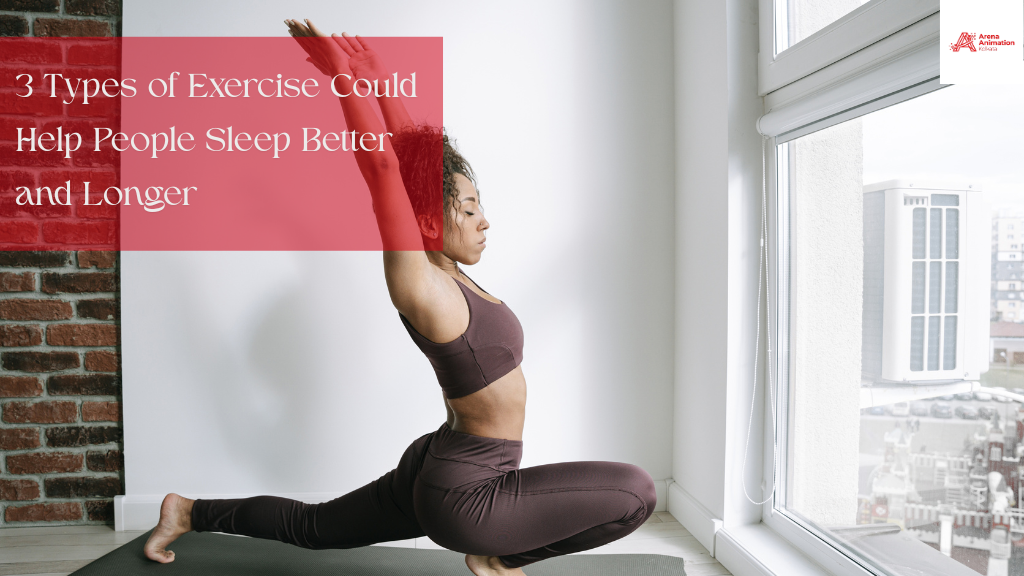
Insomnia is a common sleep problem that affects millions of people worldwide. Stress, screen time, and poor daily habits often make it hard to fall asleep or stay asleep. The good news is that research shows types of exercise could help people sleep better and enjoy deeper, longer rest without medication.
Regular physical activity helps relax the body, reduce stress hormones, and improve sleep cycles. However, not all workouts affect sleep the same way. In this article, we will explore three types of exercise that could help people sleep better, explain how they work, and show how beginners can safely add them to daily life.
Understanding Insomnia and Sleep Problems
Insomnia is not just about falling asleep late. It can include:
- Difficulty falling asleep
- Waking up frequently at night
- Waking up too early
- Feeling tired even after sleeping
Poor sleep can affect mood, focus, immunity, and overall health. That’s why natural solutions like exercise are often recommended by sleep and health experts.
How Exercise Improves Sleep Quality
Before discussing specific workouts, it’s important to understand why exercise helps sleep:
- Reduces stress and anxiety
- Balances sleep hormones like melatonin
- Improves blood circulation
- Regulates the body’s internal clock
- Helps the body feel physically tired in a healthy way
Studies consistently show that people who exercise regularly fall asleep faster and sleep longer than those who don’t.
3 Types of Exercise Could Help People Sleep Better
Let’s explore the three most effective types of exercise for improving sleep quality.
1. Aerobic Exercise: A Powerful Sleep Booster
Why Aerobic Exercise Helps with Insomnia
Aerobic exercise raises the heart rate and improves oxygen flow in the body. It also lowers cortisol, the stress hormone that often keeps people awake at night.
Research suggests that moderate aerobic activity can significantly improve sleep duration and depth.
Best Aerobic Exercises for Better Sleep
- Walking
- Jogging
- Cycling
- Swimming
- Dancing
How Much Is Enough?
- 30 minutes per day, at least 5 days a week
- Best done in the morning or early evening
- Avoid intense cardio right before bedtime
💡 Tip: A simple evening walk after dinner can relax the mind and prepare the body for sleep.
2. Strength Training: Building Muscles and Better Sleep
How Strength Training Supports Sleep
Strength or resistance training helps regulate energy levels and improves physical recovery during sleep. When muscles repair overnight, the body enters deeper sleep stages.
Studies show that strength training reduces nighttime awakenings and improves sleep efficiency.
Beginner-Friendly Strength Exercises
- Bodyweight squats
- Wall push-ups
- Resistance band workouts
- Light dumbbell exercises
- Core strengthening movements
Recommended Routine
- 2–3 sessions per week
- 20–40 minutes per session
- Focus on proper form, not heavy weights
💡 Tip: Strength training earlier in the day works best for sleep. Late-night sessions may increase alertness.
3. Mind-Body Exercise: Yoga and Stretching for Deep Relaxation
Why Mind-Body Exercises Are Ideal for Insomnia
Yoga, stretching, and similar practices calm the nervous system. They reduce racing thoughts, slow breathing, and relax tight muscles—all key factors for falling asleep faster.
Among all options, mind-body workouts are often the most recommended types of exercise that could help people sleep better naturally.
Effective Mind-Body Exercises for Sleep
- Gentle yoga
- Stretching routines
- Tai Chi
- Pilates
- Breathing exercises
Best Time to Practice
- 30–60 minutes before bed
- Low-intensity movements
- Focus on slow breathing and relaxation
💡 Tip: Evening yoga poses like child’s pose, legs up the wall, and seated forward bends are especially sleep-friendly.
Best Time to Exercise for Better Sleep
Timing matters when using exercise to improve sleep.
Ideal Timing Guide
| Exercise Type | Best Time |
|---|---|
| Aerobic | Morning or afternoon |
| Strength Training | Morning or early evening |
| Yoga & Stretching | Evening or before bed |
Avoid intense workouts within 1–2 hours of bedtime, as they may increase alertness.
Common Mistakes to Avoid
To make sure exercise helps rather than hurts sleep, avoid these mistakes:
- Overtraining or exercising too intensely
- Working out very late at night
- Skipping rest days
- Ignoring stretching and recovery
- Expecting instant results
Sleep improvement usually happens within 2–4 weeks of regular exercise.
Who Can Benefit Most from Exercise for Insomnia?
Exercise-based sleep improvement is helpful for:
- Adults with stress-related insomnia
- Office workers with sedentary lifestyles
- Beginners looking for natural sleep solutions
- People avoiding sleep medication
- Those experiencing mild to moderate insomnia
However, people with medical conditions should always consult a healthcare professional before starting a new routine.
Conclusion
Insomnia can seriously affect quality of life, but the solution doesn’t always need medication. Research clearly shows that types of exercise could help people sleep better, longer, and more deeply.
By combining aerobic exercise, strength training, and mind-body workouts, you can naturally support your sleep cycle, reduce stress, and wake up feeling refreshed. The key is consistency, proper timing, and choosing exercises that suit your body and lifestyle.
Start small, stay regular, and let movement guide you toward better sleep.
Frequently Asked Questions (FAQ)
Q1: How long does it take for exercise to improve sleep?
Most people notice better sleep within 2–4 weeks of regular exercise.
Q2: Can exercise cure insomnia completely?
Exercise helps manage insomnia but may not cure severe or medical sleep disorders.
Q3: Is yoga better than cardio for sleep?
Both help, but yoga is especially effective for relaxation and falling asleep faster.
Q4: Should I exercise every day for better sleep?
Light daily movement is beneficial, but intense workouts should include rest days.
READ ALSO:Tarot Cards Can Have a Place in Your Yoga Practice. Here’s How?