



Big decisions often come at interesting times, and the Union Cabinet’s recent approval of road and rail projects worth Rs 7,616 crore for Bihar is a perfect example. With state elections approaching, Bihar has suddenly found itself at the center of India’s infrastructure spotlight. But is this just about politics, or is there something deeper going on?
Infrastructure has always been the backbone of development. Roads and railways are like the veins and arteries of an economy—when they flow smoothly, growth follows naturally. For a state like Bihar, which has long struggled with connectivity and logistics, this announcement could be a real game-changer.
Overview of the Approved Projects
The Cabinet-approved package includes a mix of road and rail projects designed to improve connectivity across Bihar. The total investment of Rs 7,616 crore reflects a serious commitment, not just a token gesture.
A significant portion of the funds will go into upgrading national highways and state roads, while the rest will support railway expansion, line doubling, and modernization. The central government will play a major role in funding and overseeing these projects, working closely with the Bihar state administration.
Think of it like renovating an old house—not just painting the walls, but fixing the foundation, plumbing, and wiring so it can support future growth.
Road Infrastructure Projects Explained
Road connectivity in Bihar has improved over the years, but gaps still remain, especially in rural and flood-prone regions. The newly approved road projects aim to address these issues head-on.
Several national highways will be widened and strengthened to handle increasing traffic. At the same time, new road links will connect remote districts to major cities. This means shorter travel times, safer journeys, and smoother movement of goods.
For villagers and small-town residents, better roads can be life-changing. A smooth road can mean quicker access to hospitals, schools, and markets—simple things that make a huge difference in daily life.
Rail Projects That Got the Green Signal
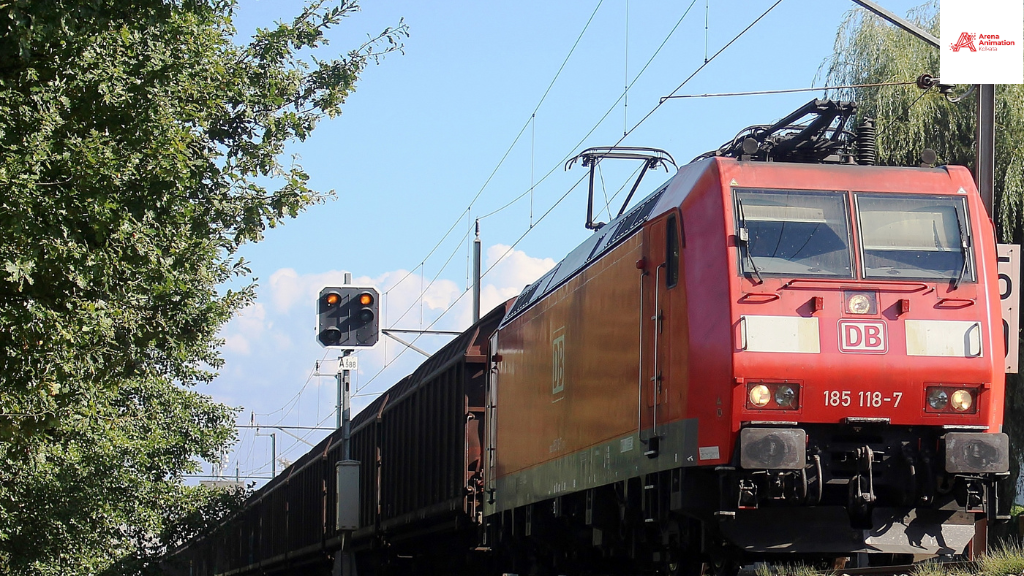
Railways are the lifeline of Bihar. Every day, millions depend on trains for work, education, and trade. The Cabinet has cleared key rail projects, including new lines and doubling of existing tracks.
These upgrades will reduce congestion on busy routes and improve punctuality. Freight movement is also expected to become faster and more reliable, which is critical for industries and agriculture.
Modern railway infrastructure is not just about speed—it’s about safety, efficiency, and comfort. For Bihar, this could mean fewer delays, better stations, and improved passenger experience.
Why These Projects Matter for Bihar
Bihar has historically lagged behind many other states in infrastructure development. Poor connectivity has limited industrial growth and investment, despite the state’s large workforce and strategic location.
These new projects aim to bridge that gap. By improving road and rail links, Bihar can better integrate with national markets and supply chains. Regions that were once considered “remote” could suddenly become attractive destinations for businesses.
In simple terms, connectivity turns potential into opportunity.
Economic Impact on the State
One of the most immediate benefits of infrastructure projects is job creation. From engineers and contractors to local laborers, thousands of people are expected to find employment during the construction phase.
The long-term impact could be even bigger. Better transport reduces costs for businesses, attracts investment, and boosts tourism. Over time, this can increase state revenue and improve living standards.
It’s like planting a tree—you don’t just get shade today, but fruits for years to come.
Benefits for Farmers and Rural Economy
Agriculture remains the backbone of Bihar’s economy. However, farmers often struggle with poor roads and limited access to markets. These new projects could change that.
Improved roads and railways will allow farmers to transport produce faster and at lower cost. This reduces wastage and increases income. Cold storage facilities and agro-processing units are also more likely to come up when connectivity improves.
For rural Bihar, this could mean stronger supply chains and more stable livelihoods.
Urban Development and Mobility
Cities in Bihar are growing fast, and with growth comes congestion. New and upgraded roads can ease traffic pressure and improve daily commuting.
Rail improvements also support urban mobility by offering reliable alternatives to road travel. Together, these projects can support smart city initiatives and planned urban expansion.
Better mobility makes cities more livable—and that benefits everyone.
Strategic Importance Ahead of Elections
Let’s be honest—timing matters in politics. Clearing major infrastructure projects before elections sends a strong message to voters. Development remains one of the most powerful issues in Indian politics.
By announcing tangible projects rather than just promises, the government is signaling intent. For voters, visible progress often speaks louder than speeches.
Still, the real test will be execution, not announcements.
Centre–State Coordination
Large infrastructure projects require close coordination between the Centre and the state. From land acquisition to local clearances, many moving parts must work together.
The Bihar government’s role will be crucial in ensuring smooth implementation. Strong monitoring systems and transparent processes can help avoid delays and cost overruns.
When both levels of government pull in the same direction, results tend to follow.
Challenges in Project Implementation
No major project is without challenges. Land acquisition can be sensitive, environmental clearances can take time, and weather conditions in Bihar often complicate construction.
Managing budgets and timelines will require careful planning. Past experiences show that delays can dilute the impact of even the best योजनाएँ.
Addressing these challenges early will be key to success.
Environmental and Sustainability Considerations
Modern infrastructure must balance development with sustainability. The approved projects are expected to adopt eco-friendly construction practices where possible.
Improved rail connectivity can also reduce dependence on road transport, lowering emissions over time. Small steps like these contribute to larger climate goals.
Development that respects the environment is development that lasts.
Comparison with Previous Infrastructure Pushes
Bihar has seen infrastructure announcements before, but this package stands out due to its scale and focus on both roads and railways.
Lessons from past projects—such as the importance of timely execution—appear to have influenced planning this time. Better coordination and monitoring mechanisms are expected.
If implemented well, this push could mark a turning point.
Public Response and Expectations
Initial reactions from citizens and experts have been mixed but hopeful. Many welcome the investment, while others remain cautious, waiting to see actual progress on the ground.
People want roads that don’t flood, trains that run on time, and projects that actually finish. Expectations are high—and rightly so.
Future Outlook for Bihar’s Infrastructure
These projects could be just the beginning. Improved connectivity lays the foundation for further investment in industries, education, and healthcare.
In the long run, Bihar could emerge as a key link in eastern India’s growth story. Infrastructure, once built, continues to deliver value for decades.
The road ahead looks promising—if followed through.
Conclusion – More Than Just an Election-Time Announcement
The Cabinet’s approval of road and rail projects worth Rs 7,616 crore for Bihar is more than a headline-grabbing move before elections. It represents an opportunity to address long-standing infrastructure gaps and unlock the state’s true potential.
If executed efficiently, these projects can transform mobility, boost the economy, and improve everyday life for millions. Politics may have set the stage, but development now has a chance to take center stage.
FAQs
1. Why did the Cabinet approve projects worth Rs 7,616 crore for Bihar now?
The approval comes ahead of state elections, but it also addresses Bihar’s urgent need for better road and rail infrastructure.
2. Which sectors benefit the most from these projects?
Transport, agriculture, trade, and local businesses are expected to see the biggest benefits.
3. How will these projects impact employment in Bihar?
They will create jobs during construction and support long-term economic growth.
4. Are these projects linked to the upcoming Bihar elections?
The timing suggests political significance, but the projects also have genuine development value.
5. When are these road and rail projects expected to be completed?
Timelines will vary by project, but completion is expected over the next few years, subject to execution efficiency.
READ ALSO: Ola Electric Posts 9,020 Registrations in December, Market Share Rises to 9.3%