




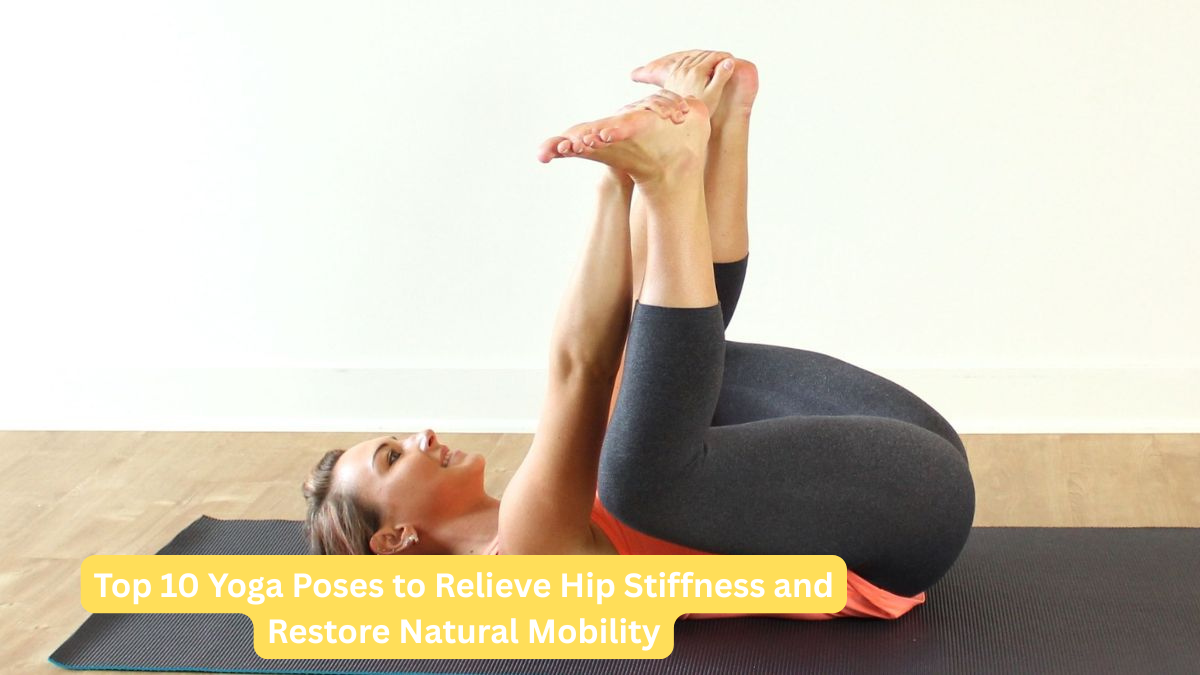
Hip stiffness can quietly limit how you move, sit, walk, and even breathe. Long hours at a desk, driving, stress, and repetitive workouts often cause the hips to tighten and lose their natural range of motion. The good news is that yoga offers a safe, effective way to restore mobility without forcing flexibility. These ten yoga poses focus on gentle opening, controlled strength, and mindful breathing to help your hips feel lighter, freer, and more stable over time.
Why Hip Mobility Matters More Than Flexibility
Healthy hips are not just flexible—they are strong, stable, and mobile. When hips lose mobility, the lower back and knees often compensate, leading to discomfort or injury. Yoga works holistically by improving joint movement while calming the nervous system, which allows tight muscles to release naturally rather than resist stretching.
Mountain Pose With Pelvic Awareness
This simple standing pose sets the foundation for hip mobility. By grounding through the feet and subtly engaging the pelvis, you bring awareness to hip alignment. It helps reset posture and prepares the hips for deeper movements without strain.
Low Lunge
Low lunge gently stretches tight hip flexors caused by prolonged sitting. The back leg opens the front of the hip while the front leg builds stability. With slow breathing, this pose restores balance between strength and openness in the hips.
Warrior II
Warrior II strengthens the hips while encouraging external rotation. It builds endurance in the hip muscles and improves joint control. This pose helps restore confidence and stability in everyday movements like walking and climbing stairs.
Goddess Pose
This wide-stance pose opens the inner thighs and outer hips at the same time. It improves circulation to the pelvic area and helps release stiffness stored deep in the hips. Goddess pose also strengthens the lower body, supporting long-term mobility.
Pigeon Pose (Gentle Variation)
Pigeon pose targets deep hip muscles that are hard to reach with traditional stretching. A supported or gentle version allows the hips to soften gradually without pressure on the knees. It’s especially helpful for runners and people with tight outer hips.
Seated Bound Angle Pose
This seated pose focuses on opening the inner hips and groin. With a long spine and relaxed breath, it helps release tension from sitting habits. Over time, it improves comfort in sitting and standing transitions.
Supine Figure Four
Lying on your back removes pressure from the joints while still offering a deep hip stretch. This pose gently opens the outer hips and supports the lower back, making it ideal for beginners or those with sensitivity.
Happy Baby Pose
Happy Baby encourages natural hip movement by gently rocking the pelvis. It relaxes the lower back and opens the hips in a non-threatening way. This pose often feels relieving after long periods of stiffness.
Bridge Pose
Bridge pose strengthens the glutes and opens the front of the hips at the same time. It counters the effects of sitting and improves hip extension, which is essential for pain-free walking and standing.
Supine Twist
Twists help release tension around the hips and lower spine. This gentle movement restores fluidity to the pelvis and encourages relaxation after deeper hip work, helping the body integrate the benefits of the practice.
How Breath Enhances Hip Release
Slow, steady breathing signals the body to relax. When paired with hip-opening poses, deep exhales help muscles release guarding patterns. This makes the stretch safer and more effective without forcing depth.
How Often to Practice for Real Results
Practicing these poses for 15–25 minutes, four to five times a week, can significantly improve hip mobility. Even short daily sessions help prevent stiffness from returning and support long-term joint health.
Who Benefits Most From Hip-Opening Yoga
Desk workers, athletes, older adults, and anyone experiencing lower back or hip discomfort can benefit. These poses are adaptable and can be modified with props to suit all levels.
Conclusion
Hip stiffness doesn’t happen overnight, and it doesn’t disappear with one stretch. These top 10 yoga poses work together to gently restore natural mobility, strengthen supporting muscles, and reduce daily discomfort. With consistent practice, your hips can move more freely, your posture can improve, and everyday activities can feel smoother and more comfortable.
FAQ
How long should I hold each hip-opening pose?
Hold each pose for 30 seconds to 2 minutes, depending on comfort and experience.
Are these poses safe for beginners?
Yes, all poses can be modified and practiced gently by beginners.
Can hip-opening yoga help lower back pain?
Yes, improved hip mobility often reduces strain on the lower back.
Is it normal to feel soreness after hip yoga?
Mild soreness is normal, but sharp pain is not. Always move gently.