




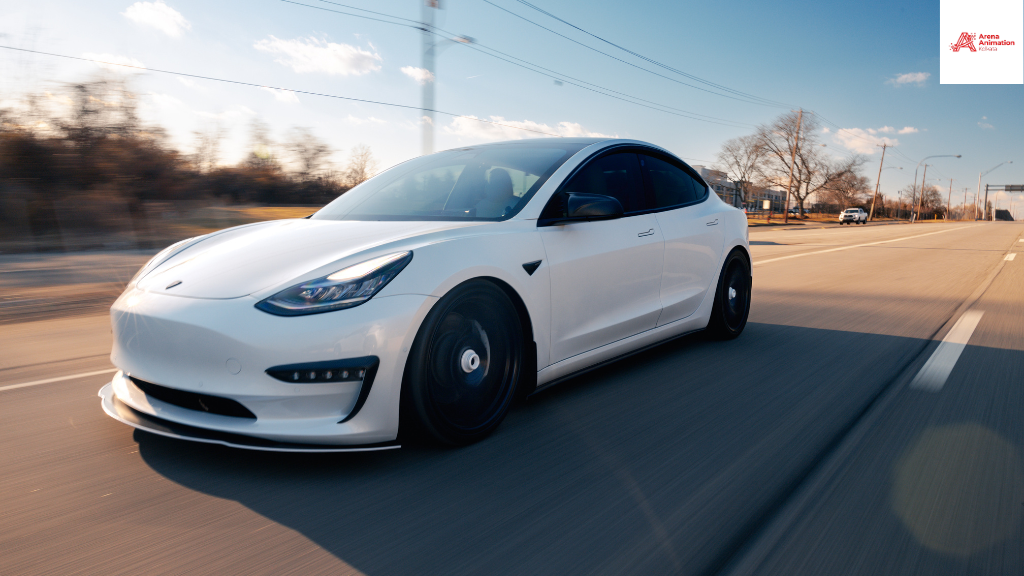
Tesla’s Long-Awaited Entry Into the Indian Market
For years, Tesla’s entry into India felt inevitable. The country is one of the world’s largest automobile markets, with a fast-growing middle class and increasing focus on electric mobility. When Tesla finally made its move, expectations were sky-high. Industry experts predicted long waiting lists, buzzing showrooms, and strong early adoption driven by brand prestige.
Instead, reality turned out to be far quieter. After months of availability, Tesla reportedly sold only around 10000 cars in India. For a brand known for disrupting markets and rewriting sales records, these numbers raised serious questions. Was Tesla too early, too late, or simply out of sync with the Indian market?
Tesla’s India journey so far highlights a major truth about global expansion: even the most powerful brands can struggle if timing, pricing, and infrastructure don’t align.
Why India Looked Like a Perfect Opportunity for Tesla
A massive population, rising fuel costs, and strong EV ambitions made India appear ideal.
Expectations vs Reality
High anticipation collided with practical limitations.
India’s Electric Vehicle Market at a Glanc
India’s electric vehicle market is often described as “high-potential,” but potential doesn’t always translate into immediate demand. While EV adoption is growing, it is still concentrated in two-wheelers and small commercial vehicles. Passenger electric cars remain a small slice of the overall auto market.
Government initiatives aim to boost EV usage through incentives, tax benefits, and long-term sustainability goals. However, affordability remains the key barrier. Most Indian car buyers prioritize value, reliability, and service availability over cutting-edge technology.
This creates a challenging environment for premium EV brands like Tesla, which operate at a price point far above the mass market.
Growth Potential and Government Ambitions
India wants electric mobility, but at the right price.
The Reality of EV Adoption on Indian Roads
EVs are growing, but slowly and selectively.
Tesla’s India Strategy and Initial Rollout
Tesla entered India cautiously. Instead of launching a wide lineup or committing to immediate local production, the company opted for limited imports. This approach reduced risk but also restricted scale.
Imported vehicles come with heavy duties, significantly increasing prices. As a result, Tesla cars in India became luxury products rather than aspirational upgrades for the average buyer. While this strategy works in some markets, India is highly price-sensitive.
Tesla’s minimal physical presence, limited marketing, and low visibility further contributed to slow momentum.
Limited Imports and Premium Pricing
Imported EVs pushed Tesla into a niche segment.
Why Tesla Chose a Cautious Start
Uncertainty made Tesla play safe.
Just 100 Cars Sold: What the Numbers Reveal
Selling around 100 cars in months is not a disaster in isolation, but for Tesla, it signals a mismatch between expectations and execution. In markets like China or Europe, Tesla achieved rapid adoption by combining competitive pricing, local production, and strong infrastructure support.
In India, the absence of these factors limited appeal. Early adopters showed interest, but the market didn’t expand beyond a small group of wealthy buyers.
Low sales numbers also create a feedback loop. Limited adoption reduces visibility, which further slows demand.
Sales Performance Compared to Expectations
The gap between hype and reality is striking.
Why Early Momentum Failed to Build
Interest didn’t convert into widespread purchases.
Pricing: Tesla’s Biggest Roadblock in India
Pricing is arguably Tesla’s biggest challenge in India. Import duties can push prices far beyond what most consumers are willing to pay. A Tesla that costs significantly less in other markets can become nearly double in price once landed in India.
For Indian buyers, the value equation matters deeply. When similarly priced luxury vehicles offer established service networks and brand familiarity, Tesla’s appeal weakens.
Until prices come closer to mainstream expectations, Tesla will remain a niche choice.
Import Duties and High Ownership Costs
Taxes turn innovation into exclusivity.
The Gap Between Tesla and the Average Indian Buyer
Affordability defines demand.
Charging Infrastructure Challenges
Charging infrastructure remains uneven across India. While major cities are seeing improvements, long-distance travel remains a concern for EV owners. Tesla’s global charging advantage doesn’t fully translate into the Indian context.
Range anxiety is still real, especially for premium cars meant for daily convenience. Without widespread fast-charging networks, buyers hesitate to invest in expensive EVs.
Infrastructure gaps affect confidence more than brand reputation.
India’s Slow Expansion of EV Charging Networks
Progress exists, but coverage is limited.
Why Infrastructure Anxiety Matters More Than Brand Power
Trust beats technology.
Competition From Local and Global EV Players
Tesla isn’t alone in India’s EV space. Local automakers have moved quickly to offer affordable electric cars tailored to Indian needs. These vehicles may lack Tesla’s performance or software, but they win on price and practicality.
Global brands are also entering with localized strategies, partnerships, and flexible pricing. Tesla’s premium-only approach puts it at a disadvantage in a market dominated by cost-conscious buyers.
Indian Automakers Moving Faster Than Tesla
Local insight drives faster adoption.
Affordable EVs Winning Consumer Trust
Practicality beats prestige.
Regulatory and Policy Hurdles
India’s EV policies aim to encourage local manufacturing. Import-heavy strategies face higher taxes and regulatory uncertainty. Tesla’s reluctance to commit to local production has complicated negotiations.
Policy delays and unclear timelines create hesitation for long-term planning. Other automakers that align closely with government goals often move faster.
Import Rules, Localization Demands, and Uncertainty
Policy alignment matters.
Why Policy Delays Hurt Tesla More Than Others
Flexibility is limited.
Consumer Mindset and Market Readiness
Indian consumers admire Tesla as a brand. However, admiration doesn’t always translate into purchases. Buyers often prioritize service accessibility, resale value, and long-term costs.
For many, Tesla still feels unfamiliar and experimental. Trust builds slowly in India’s automobile market, especially at premium price points.
Brand Awareness vs Purchase Intent
Interest doesn’t guarantee commitment.
Why Admiration Doesn’t Always Convert Into Sales
Trust takes time.
Supply Chain and Manufacturing Hesitation
Local manufacturing is a key factor in India’s auto success stories. Tesla’s hesitation to build a factory limits cost control and scalability.
Without local production, Tesla cannot compete effectively on price or volume. This hesitation signals uncertainty, which affects consumer confidence as well.
The Missing Gigafactory Question
Local production unlocks scale.
Why Local Production Matters in India
Cost, trust, and growth depend on it.
What Tesla Could Do to Revive Its India Strategy
Tesla still has options. Committing to local manufacturing, partnering with Indian suppliers, and introducing more affordable models could change the trajectory. Gradual expansion supported by infrastructure investment would also help.
Learning from competitors who succeeded in India may be Tesla’s best path forward.
Pricing Adjustments, Localization, and Partnerships
Adaptation is essential.
Lessons From Other Global Automakers
India rewards patience.
The Bigger Picture: What Tesla’s Struggle Means for India’s EV Market
Tesla’s slow start doesn’t mean India isn’t ready for EVs. It means the market demands customization. Premium-only strategies face limitations in a price-driven environment.
This experience serves as a lesson for other global EV brands considering India.
A Reality Check for Premium EV Brands
Scale requires affordability.
How This Could Shape the Future of EV Adoption
Localization will define success.
Conclusion: A Pause, Not the End, for Tesla in India
Tesla’s India journey is stalled, not over. Selling just 100 cars highlights the gap between global success and local realities. With the right adjustments, Tesla could still find its footing. But without change, India may remain a missed opportunity rather than a growth engine.
FAQs
1. Why has Tesla sold so few cars in India?
High prices, limited infrastructure, and import duties are major reasons.
2. Is India ready for electric cars?
Yes, but affordability and infrastructure remain critical factors.
3. Will Tesla build a factory in India?
No confirmed timeline yet.
4. Are other EV brands doing better in India?
Yes, especially those offering lower-priced models.
5. Can Tesla still succeed in India?
Yes, with localization and pricing changes.