




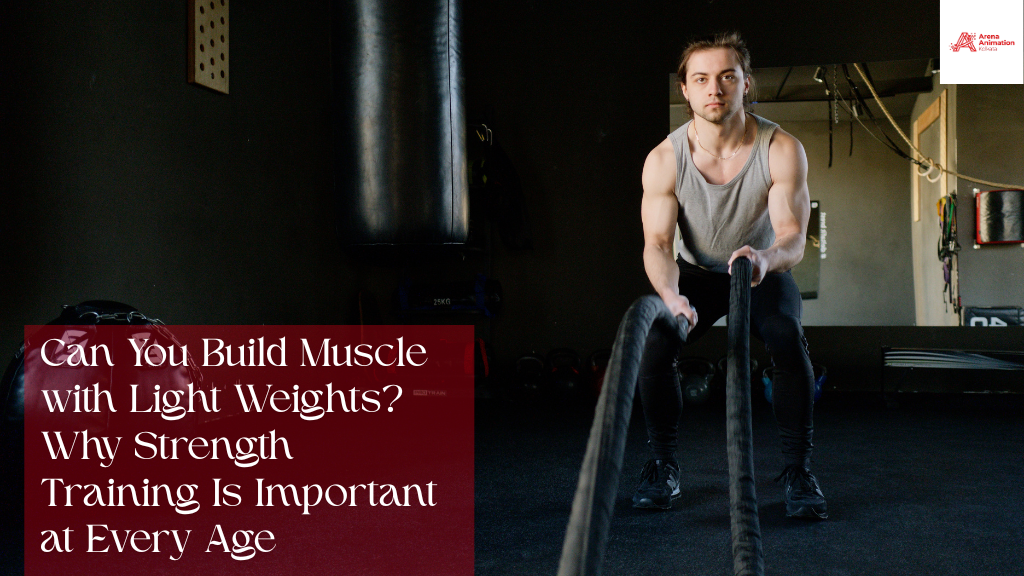
Strength training is often misunderstood. Many people believe that building muscle requires heavy weights, intense routines, or a specific age range. We know this is not true. Muscle can be built, maintained, and strengthened at almost any age, and it does not always require lifting the heaviest load in the gym. What matters most is consistency, proper movement, and progressive effort.
In this article, we explore how low resistance can still build muscle, why strength training is essential throughout life, and how a smart approach to resistance exercise supports long-term health, mobility, and confidence.
Understanding Muscle Growth Without Heavy Weights
Muscle growth, also called muscle adaptation, happens when muscles are challenged beyond their usual workload. This challenge does not have to come from heavy weights alone. Light weights, resistance bands, bodyweight exercises, and controlled movements can all stimulate muscle growth when done correctly.
The key factor is muscle tension over time. When muscles work under resistance—especially when movements are slow and controlled—they respond by becoming stronger. This means that even low-load training, when performed with focus and good form, can produce meaningful results.
We emphasize that quality of movement matters more than the amount of weight lifted.
How Light Can Resistance Be and Still Work?
There is no single minimum weight that applies to everyone. Strength levels vary by age, experience, health, and daily activity. What matters is whether the resistance feels challenging by the final repetitions of an exercise.
For many people:
- Bodyweight alone is enough to build strength
- Resistance bands provide effective tension
- Light dumbbells can stimulate muscle growth
- Household items can even be used creatively
As long as the muscle feels worked and slightly fatigued, it is adapting. We focus on progression, not pressure.
The Power of Progressive Overload
Progressive overload means gradually increasing the challenge placed on muscles. This does not always mean adding more weight. It can include:
- Increasing repetitions
- Slowing down movement speed
- Improving form and range of motion
- Reducing rest time between sets
- Increasing training frequency
By making small, steady changes, muscles continue to adapt. This approach is safer, more sustainable, and effective at any age.
Why Strength Training Matters at Every Stage of Life
Strength training is not reserved for athletes or gym enthusiasts. It is a lifelong tool for physical independence and resilience.
Youth and Early Adulthood
Strength training supports:
- Better posture
- Bone development
- Injury prevention
- Confidence and body awareness
Developing strength early builds a foundation that supports long-term health.
Midlife
During midlife, muscle mass naturally begins to decline if not used. Strength training helps:
- Maintain lean muscle
- Support metabolism
- Reduce joint discomfort
- Improve daily energy levels
We view strength training as a protective habit during these years.
Later Adulthood
Strength training becomes even more important with age. It helps:
- Preserve mobility
- Reduce fall risk
- Support balance and coordination
- Maintain independence
Even low-intensity strength training can significantly improve quality of life.
Strength Training and Bone Health
Bones respond to stress in much the same way muscles do. When we apply controlled resistance, bones adapt by becoming stronger. This is especially important for preventing age-related bone loss.
Weight-bearing and resistance exercises help maintain bone density and joint integrity. This benefit applies whether resistance is light or moderate, as long as it is consistent.
Low-Impact Strength Training for Joint Safety
One of the biggest advantages of low-load strength training is joint protection. Heavy lifting is not suitable for everyone, especially those with joint sensitivity or limited mobility.
Low-impact strength training offers:
- Reduced strain on joints
- Better movement control
- Improved flexibility
- Safer long-term practice
We prioritize movements that support joints rather than stress them.
Muscle Strength and Everyday Function
Strength training improves more than appearance. It enhances daily functionality, including:
- Standing up from a chair
- Carrying groceries
- Climbing stairs
- Maintaining balance
- Performing routine tasks with ease
These practical benefits matter more than numbers on a weight rack.
Mind–Muscle Connection: Why Focus Matters
Low-resistance training works best when paired with intentional movement. Focusing on the muscle being used increases activation and effectiveness.
We encourage:
- Slow, controlled repetitions
- Proper breathing
- Full range of motion
- Awareness of posture and alignment
This approach builds strength efficiently and safely.
Consistency Beats Intensity Every Time
Short, regular sessions outperform occasional intense workouts. Strength training does not need to be time-consuming. Even 20–30 minutes, two to three times per week, delivers noticeable benefits over time.
Consistency builds habits, and habits build results.
Strength Training and Mental Well-Being
Physical strength supports mental strength. Regular resistance training is linked to:
- Improved mood
- Reduced stress
- Better focus
- Higher self-confidence
Feeling physically capable reinforces a positive mindset and emotional resilience.
Building Muscle Is a Long-Term Investment
We see strength training as an investment in future health. Muscle supports joints, protects bones, stabilizes posture, and supports metabolic health.
Whether resistance is light or moderate, regular strength training builds a stronger body over time.
Conclusion: How Low Can You Go and Still Build Muscle?
You can go lower than you think. Muscle growth does not depend on heavy weights. It depends on effort, consistency, and progression. Strength training matters at every age because it supports movement, independence, and confidence throughout life.
We believe strength is not about lifting the most—it is about moving well, staying capable, and building resilience that lasts.
READ ALSO: