

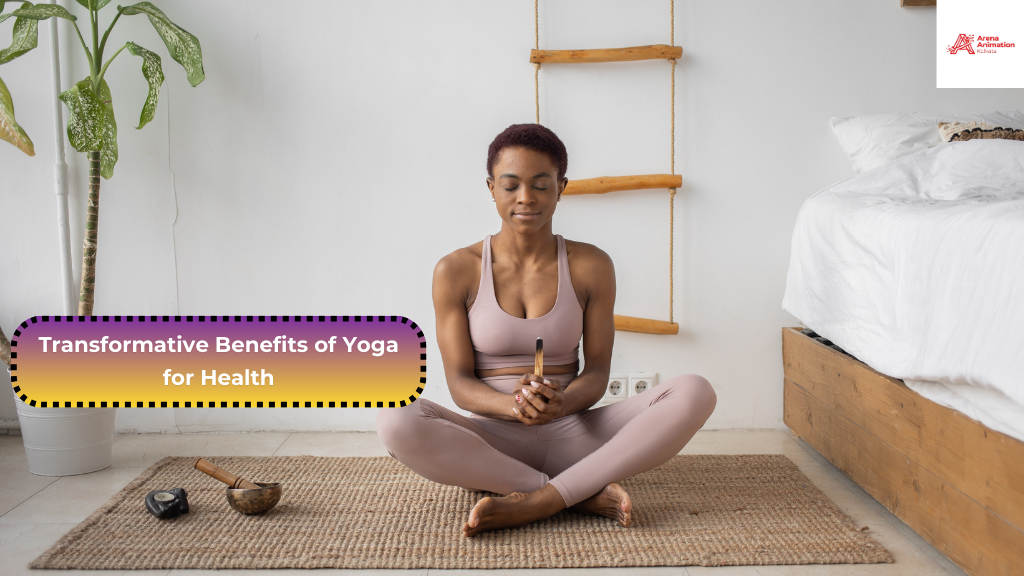
Yoga is more than just stretching or exercise. It is a practice that connects the body, mind, and breath. Over time, yoga can bring powerful changes to both physical and mental health. People of all ages and fitness levels can benefit from yoga, including complete beginners.
In today’s fast-paced lifestyle, stress, poor posture, and lack of movement have become common. Yoga offers a simple, natural, and effective way to improve overall health without needing expensive equipment or intense workouts.
This article explores the transformative benefits of yoga for health and explains why even a few minutes of daily practice can make a meaningful difference.
What Is Yoga?
Yoga is an ancient practice that began thousands of years ago. It combines:
- Physical postures (asanas)
- Breathing techniques (pranayama)
- Mindfulness and relaxation
The goal of yoga is balance—between strength and flexibility, movement and stillness, effort and ease.
Physical Health Benefits of Yoga
1. Improves Flexibility
One of the most well-known benefits of yoga is improved flexibility.
Regular yoga practice:
- Gently stretches muscles
- Reduces stiffness
- Improves joint mobility
Over time, everyday movements like bending, reaching, and walking feel easier and more comfortable.
2. Builds Strength Without Strain
Yoga uses bodyweight movements, making it safe and effective.
It helps strengthen:
- Core muscles
- Arms and shoulders
- Legs and hips
- Back muscles
Unlike heavy workouts, yoga builds strength in a controlled and balanced way, which lowers the risk of injury.
3. Supports Better Posture
Many people develop poor posture from sitting, phone use, or desk work.
Yoga helps by:
- Strengthening postural muscles
- Opening tight chest and shoulders
- Increasing body awareness
Better posture can reduce back and neck discomfort and improve overall confidence.
4. Enhances Balance and Coordination
Balance naturally declines with age, but yoga helps maintain it.
Yoga poses:
- Improve stability
- Strengthen small supporting muscles
- Improve coordination
This is especially helpful for daily activities and long-term mobility.
Mental and Emotional Health Benefits
5. Reduces Stress and Anxiety
One of the most transformative benefits of yoga for health is stress relief.
Yoga encourages:
- Slow, deep breathing
- Mindfulness
- Relaxation of the nervous system
This can help calm the mind and reduce feelings of anxiety and tension.
6. Improves Focus and Mental Clarity
Yoga teaches you to stay present.
With regular practice, many people notice:
- Better concentration
- Clearer thinking
- Improved memory
This makes yoga helpful for students, professionals, and anyone managing a busy life.
7. Supports Better Sleep
Yoga can improve sleep quality by:
- Reducing stress
- Relaxing the body
- Calming the mind before bedtime
Gentle evening or bedtime yoga is especially helpful for people who struggle to relax at night.
Yoga and Long-Term Health
8. Encourages Healthy Movement Habits
Yoga promotes consistent, gentle movement.
It helps people:
- Stay active without burnout
- Build a positive relationship with exercise
- Listen to their body’s needs
This makes yoga sustainable for long-term health.
9. Supports Heart and Respiratory Health
Yoga breathing techniques:
- Improve lung capacity
- Support healthy circulation
- Encourage calm, steady breathing
When combined with movement, yoga supports overall cardiovascular health.
10. Promotes Mind-Body Awareness
Yoga helps you understand how your body feels and responds.
This awareness can:
- Prevent overuse or injury
- Improve self-care habits
- Encourage healthier lifestyle choices
Why Yoga Is Suitable for Beginners
Yoga is highly adaptable.
Beginners benefit because:
- Poses can be modified
- Intensity can be adjusted
- No equipment is required
You don’t need to be flexible or experienced to start. Yoga meets you where you are.
How Often Should You Practice Yoga?
Even small amounts matter.
You can benefit from:
- 5–10 minutes daily
- 20–30 minutes a few times a week
- Gentle sessions on rest days
Consistency is more important than duration.
Common Myths About Yoga
- “I’m not flexible enough” → Yoga helps you become flexible
- “Yoga is too easy” → Yoga can be gentle or challenging
- “Yoga is only physical” → Yoga supports mental health too
Yoga is for everyone.
Simple Ways to Start Yoga Today
- Begin with short, beginner-friendly sessions
- Focus on breathing and comfort
- Practice at home or in a quiet space
- Choose gentle styles if you are new
There is no rush and no pressure.
Conclusion
The transformative benefits of yoga for health go far beyond physical fitness. Yoga supports strength, flexibility, posture, mental clarity, stress relief, and overall well-being. It is a simple yet powerful practice that fits into almost any lifestyle.
Whether you practice for five minutes or an hour, yoga helps you move better, breathe better, and feel more balanced—both inside and out.
Yoga is not about perfection. It’s about progress, awareness, and care for your body and mind.
Optional FAQ Section
Is yoga safe for beginners?
Yes, yoga is safe when practiced gently and with proper guidance.
Do I need equipment for yoga?
No. A mat is helpful, but not required.